Workshop/Webinar
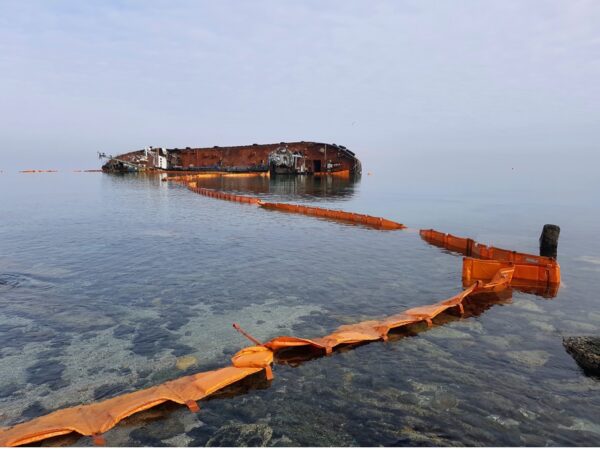
Salish Sea Transboundary Working Group: Discussion of the Sinking of and Spill from the Aleutian Isle
October 13, 2022 (Virtual) – The Working Group’s second session focused on transboundary oil spill response.

October 13, 2022 (Virtual) – The Working Group’s second session focused on transboundary oil spill response.
Merchant vessels produce different types of waste as part of their operations. Discover the rules governing the management and disposal of these wastes in Canadian and international waters.
Five years after the Nathan E. Stewart sank, spilling the equivalent of a railcar’s worth of diesel fuel into the ocean,1 we want to know: could a similar incident happen today and how prepared are we if it does?
The Voluntary Protection Zone implemented to keep commercial ships at a safe distance from the west coast of Haida Gwaii is extended.
Why are shipping containers lost at sea and where do they end up?
How does air pollution from marine shipping accelerate climate change in the Arctic and what can be done about it?
Clear Seas examined the spatial distribution of commercial marine shipping incidents and accidents in and around Canadian waters and created an interactive, user-friendly visualization tool to share this data. Accessible to all, this tool can be used to highlight areas of potential shipping risks, identify trends in marine incident reporting, and help inform policymakers and the public on the safety of marine shipping in Canada.
On July 13, 2021, Clear Seas’ launched the Maritime Commercial Incidents and Accidents dashboard highlighting ten years of data on marine incidents and accidents that occurred in and around Canadian waters.
If a spill occurs, who cleans it up and how? What are the resources available to minimize the environmental damage? How is the recovered oil safely disposed? Who pays for the cost of clean-up and damages as a result of an oil spill?

Newsletter
Sign up to receive the Clear Seas quarterly newsletter.