
Shipping and Ocean Conservation Integration (SOC-I) Program
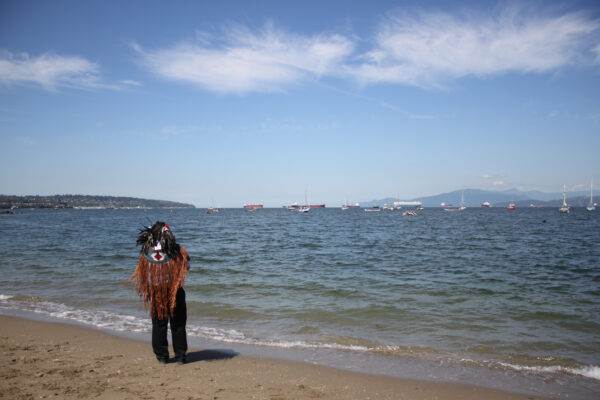
Supporting First Nations communities in exploring the intersection between marine shipping and ocean conservation
Three Years of Partnership, Learning, and Impact
In 2023, Clear Seas launched the Shipping and Ocean Conservation Integration (SOC-I) program to support First Nations communities in exploring the intersection of marine shipping and ocean conservation. The program was created to ensure Indigenous voices were heard in conversations about shipping while cultivating research environments that reflect Indigenous values, priorities, and ways of knowing.
Over three years, SOC-I grew into much more than a research program. It became a relationship-based approach to engagement, bringing together communities, knowledge holders, researchers, Guardians, youth, and leadership to explore how marine traffic affects Indigenous territories and ocean stewardship.
In 2026, the SOC-I program reached its conclusion. Its legacy continues through ongoing Mapping Marine Traffic research and the Indigenous Internship Program, both of which will continue supporting Indigenous communities with access to marine shipping data across Canada.
Relationships First
At the heart of SOC-I was a simple but important commitment: build relationships before research.
Rather than arriving with predetermined research agendas, the program focused on listening, learning, and understanding each Nation’s unique relationship with its territory. Engagement was guided by community protocols, priorities, and preferred ways of working. Some Nations requested technical workshops, while others preferred dialogue, data sharing, or collaboration through existing governance and Guardian programs.
SOC-I emphasized face-to-face engagement, visiting communities, sharing meals, walking shorelines, and creating opportunities for meaningful conversations grounded in respect and reciprocity. These relationships formed the foundation for every workshop, internship, and research project that followed.
Program Impact
More than three years of collaboration
Over the course of the program, SOC-I and its connected initiatives achieved significant impacts alongside Indigenous partners across Canada, building partnerships with 13 First Nations communities, 4 Tribal Councils, Indigenous organizations, academic institutions, and marine governance organizations:
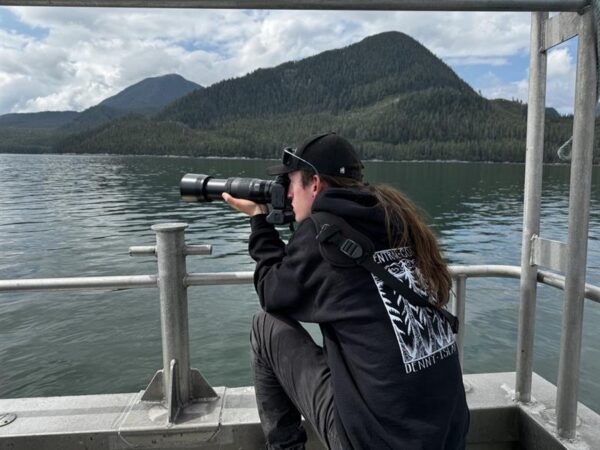
40 Indigenous Internships supporting 63 projects across 6 provinces and territories
5 community-led deep dive research projects focused on locally identified priorities
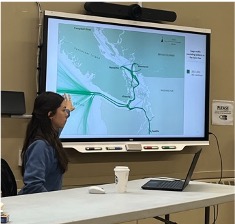
7 Mapping Marine Traffic Workshops
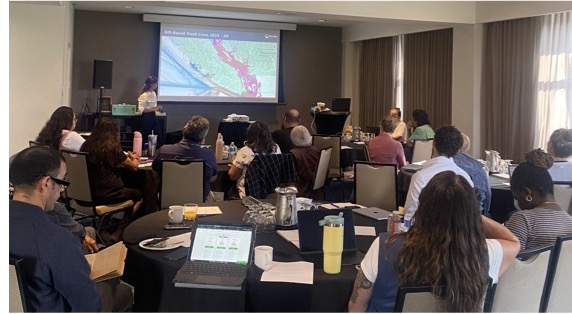
40+ First Nations communities engaged across Canada
Communities engaged through workshops and research
SOC-I collaborated with communities and organizations including Snuneymuxw First Nation, Naut’sa mawt Tribal Council, W̱SÁNEĆ Leadership Council, the Council of the Haida Nation, and the Indigenous Advisory Marine Committee for the Trans Mountain Expansion Project, among others.
Mapping Marine Traffic: Building Capacity Through Data
A cornerstone of SOC-I was supporting meaningful access to Clear Seas’ Mapping Marine Traffic tools and research.
Through workshops and technical sessions, communities explored vessel traffic patterns, shipping risks, anchorages, non-AIS vessels, culturally sensitive areas, and other marine issues affecting their territories. The workshops combined marine traffic data with Indigenous knowledge and stewardship priorities, creating opportunities for community-led discussions about marine governance and decision-making.
Maps created for workshops with Indigenous communities
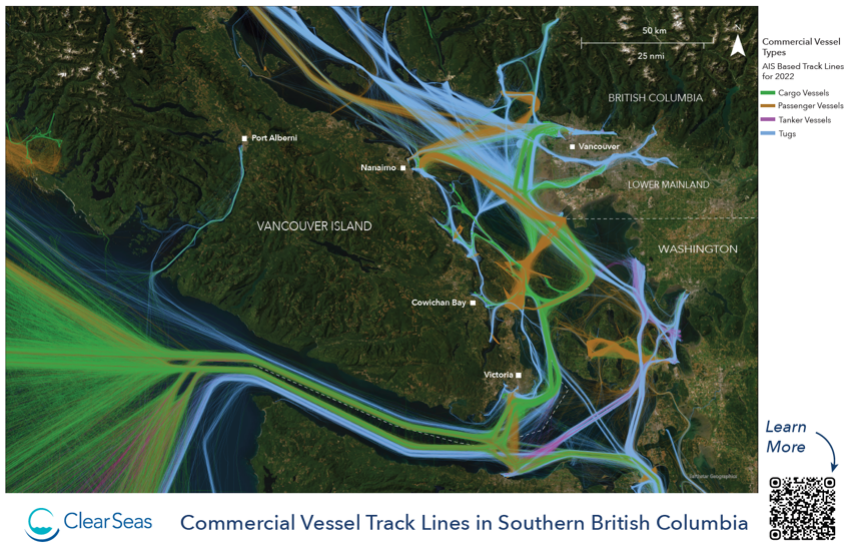
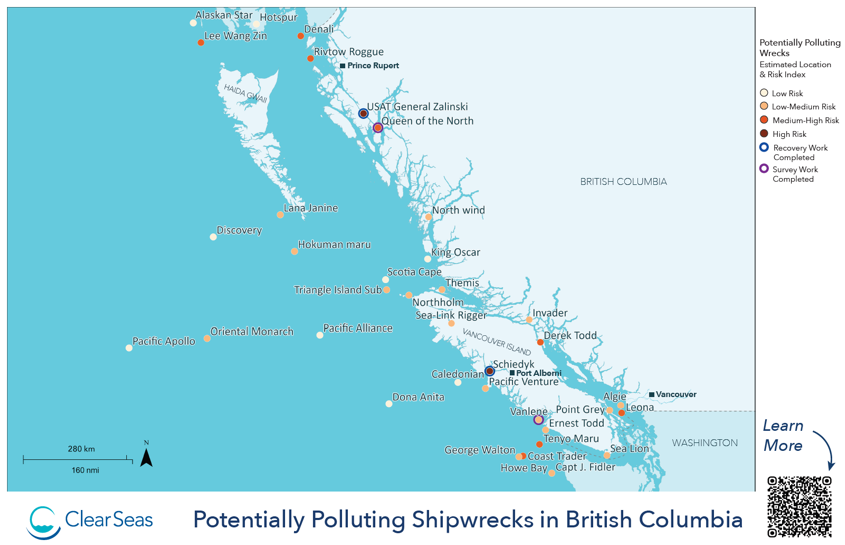
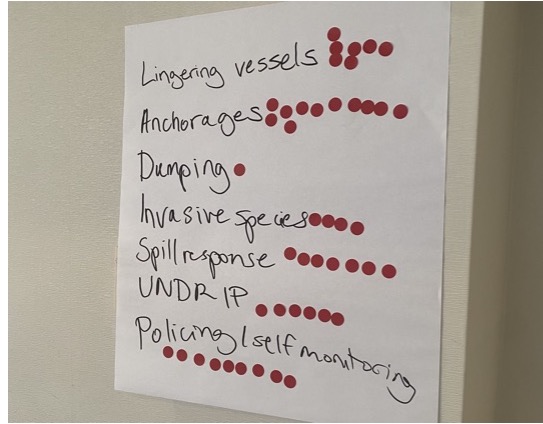
Participants also identified shared concerns around vessel monitoring, pollution, anchorages, spill response, invasive species, and limitations in regulating marine traffic. These conversations informed future research priorities and strengthened local capacity for marine monitoring and stewardship.
Community-led research
SOC-I supported deep dive research projects that were identified and guided by partner Nations. Rather than imposing external frameworks, projects were developed around community priorities and stewardship objectives.
Research topics included:
- Oil tanker traffic and anchorage use.
- Vessel traffic trend analysis.
- Monitoring non-AIS vessels.
- Water quality and pollution monitoring using autonomous technologies.
- Marine surveys and training opportunities.
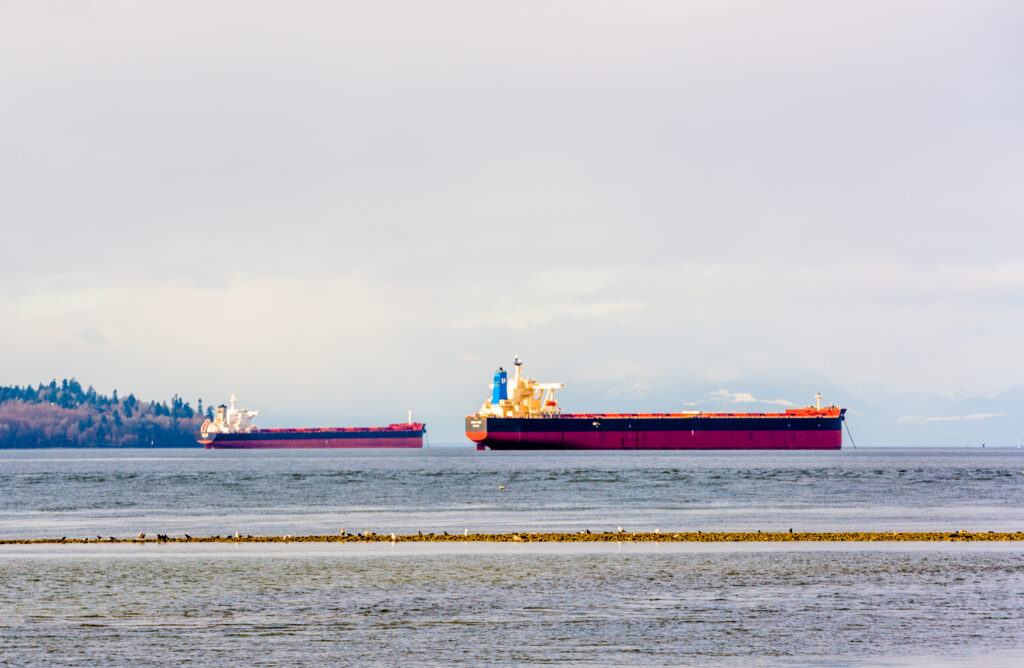
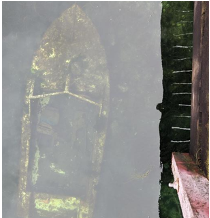
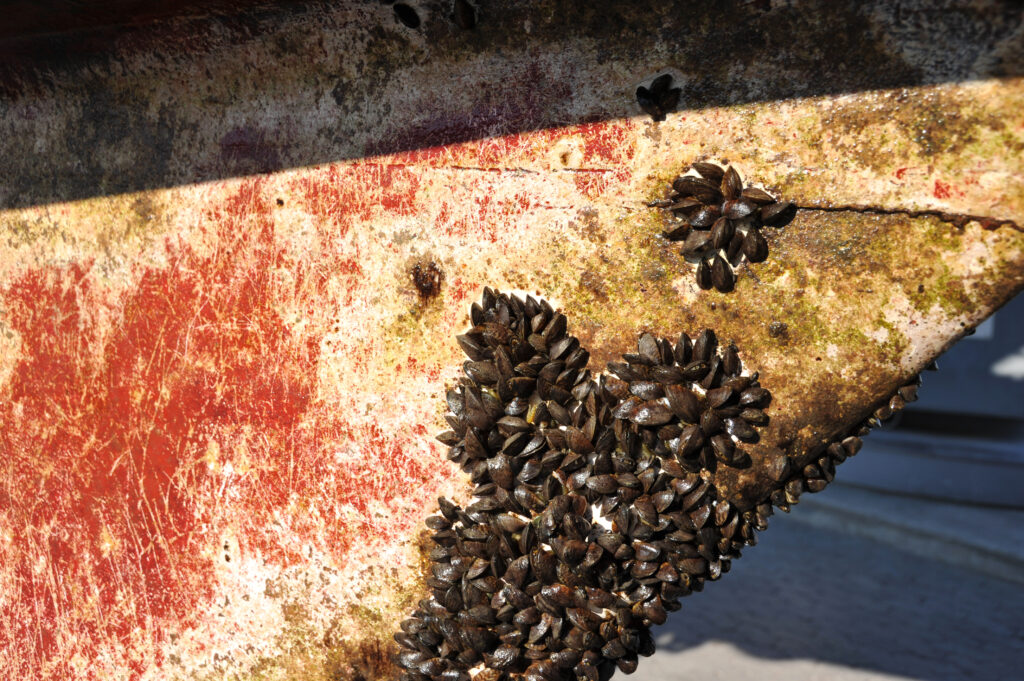
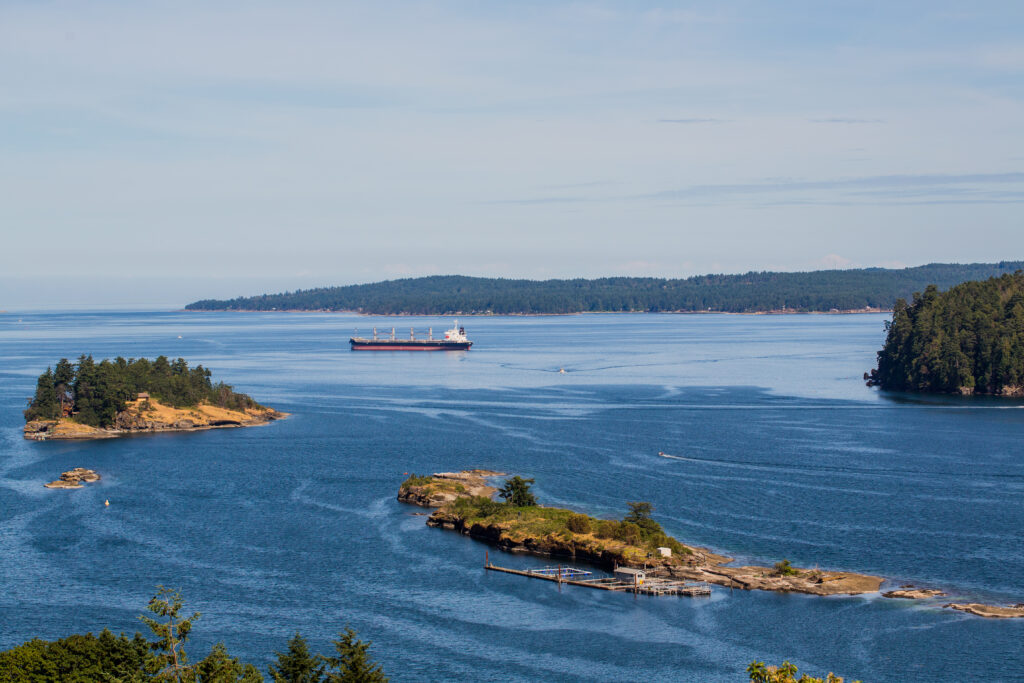
These projects demonstrated how Indigenous knowledge, local priorities, and technical data can be brought together to support informed decision-making and long-term ocean stewardship.
Creating Pathways Through Indigenous Internships
Alongside research and workshops, SOC-I helped strengthen the Indigenous Internship Program (IIP), which supports Indigenous-led knowledge sharing, community research, professional development, and capacity building. The program is designed to break down barriers and create meaningful change for Indigenous involvement in the marine sector.
The program has supported dozens of Indigenous interns whose projects have explored topics such as traditional canoe culture, clam garden restoration, whale strike mitigation, marine research, and community stewardship priorities.
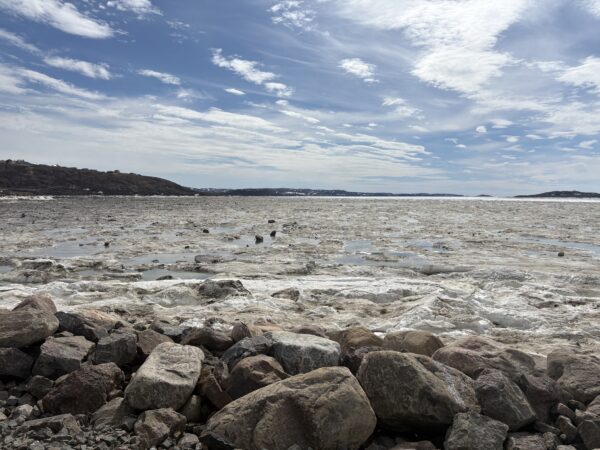
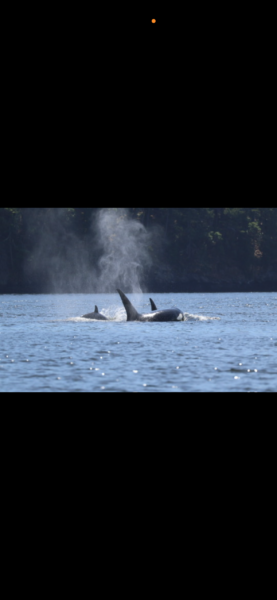
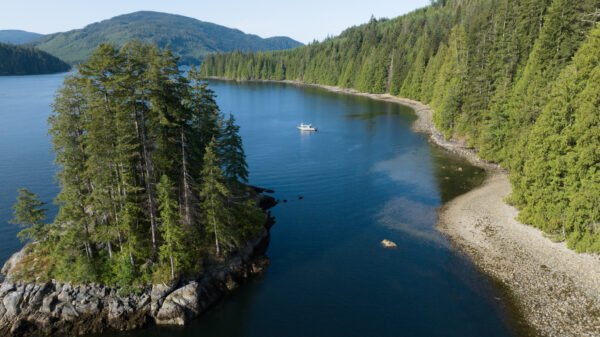
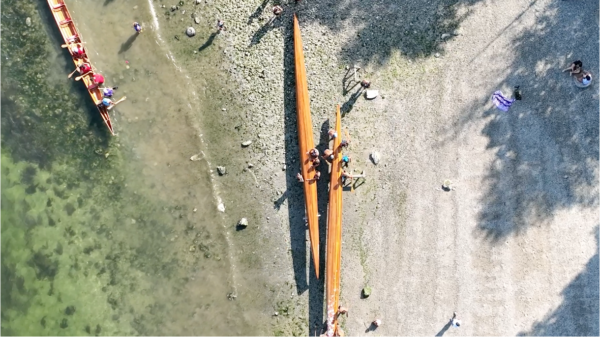
The internship program continues beyond SOC-I and remains a key pathway for supporting Indigenous researchers, strengthening community capacity, and advancing Indigenous leadership in marine stewardship.
Sharing Knowledge Across Canada
SOC-I also contributed to national conversations about marine transportation, conservation, and Indigenous leadership through presentations, workshops, and conference participation across Canada. Interns and team members attended events such as Coastal Zone Canada conference, the Indigenous Centre for Cumulative Effects National Conference, and gatherings of Indigenous marine leaders and organizations.
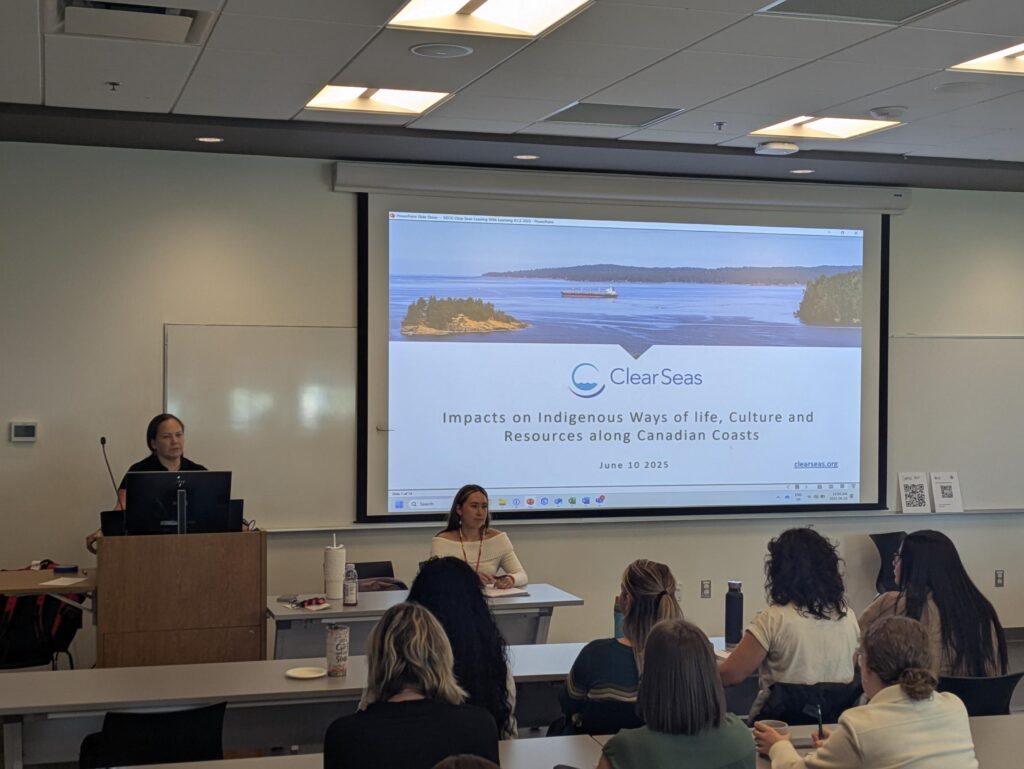
səlil ̕wətaʔɬ & Sḵwx̱wú7mesh Nations (R), present “Impacts on Indigenous Ways of Life, Culture and Resources along Canadian Coasts” at Coastal Zone Canada in Charlottetown, PE, in June 2025.
A Lasting Legacy
The completion of SOC-I marks the close of a successful three-year initiative, but not the end of the relationships, learning, or collaborative work it helped establish.
The program demonstrated that meaningful engagement starts with respect, reciprocity, and relationship building. It reaffirmed that First Nations are rightsholders, governments, and stewards with deep knowledge and authority over their territories and waters.
As SOC-I concludes, Clear Seas remains committed to supporting Indigenous communities through continuing Mapping Marine Traffic research and growing the Indigenous Internship Program. Together, these initiatives will continue building capacity, sharing knowledge, and supporting Indigenous-led approaches to ocean stewardship and marine decision-making.

Across all this work, the goal has remained consistent: support First Nations’ ocean stewardship by sharing tools, building research capacity, and holding space for Indigenous voices in the shipping conversation, where they have historically been excluded.
At Clear Seas, we are honoured to walk this path alongside Indigenous people. We will strive to ensure that our work is grounded in respect, reciprocity, and sustainable relationship development to support a future where First Nations are not only heard but also lead in ocean stewardship and shipping governance.
Funding for this program was provided by Fisheries and Oceans Canada’s Oceans Management Contribution Program
