
Topic: Shipping Pollution & Waste
Video
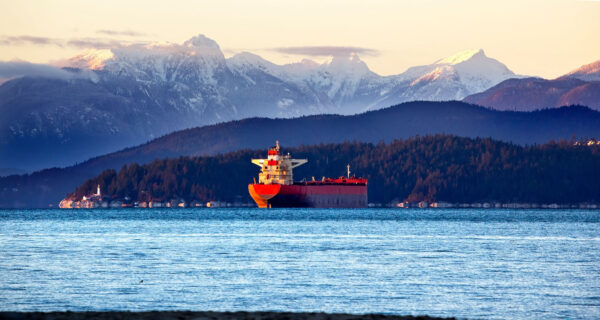
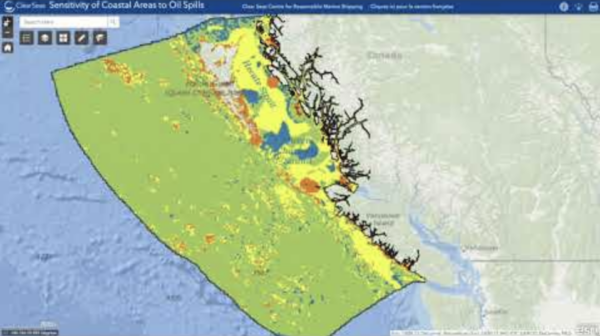
Sensitivity of Coastal Areas to Oil Spills
Workshop/Webinar
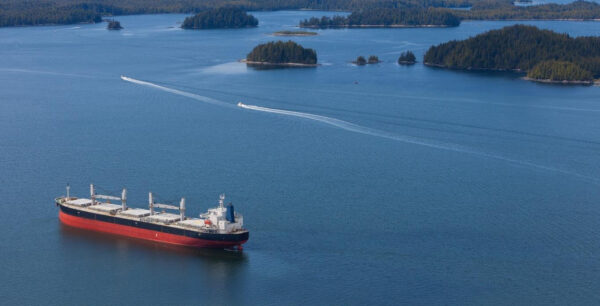
Assessing the Sensitivity of Coastal Areas to Oil Spills – Study Highlights & Demo
New mapping tool and associated report developed to support marine spatial planning in Canada’s Pacific Coast.
Article
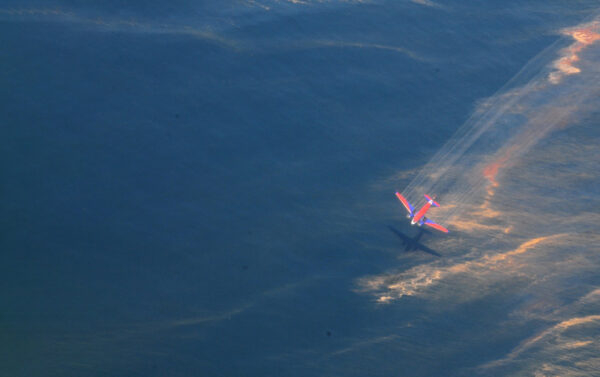
Research Spotlight:Dr. Kenneth Lee, Expert in Oil Spill Response Technologies
“We must remember the premise of using chemical oil dispersants: Diluting the oil from a surface slick into the water column at sea to reduce its concentration to below toxic levels, enhance its degradation rate, and reduce its probability of reaching shore.” – Kenneth Lee
Article
Clear Seas At Five Years: Research For A Sustainable Future
On its fifth anniversary, Clear Seas looks back at its accomplishments and reflects on the key role it will continue to play to support safe and sustainable marine shipping in Canada.
Infographic
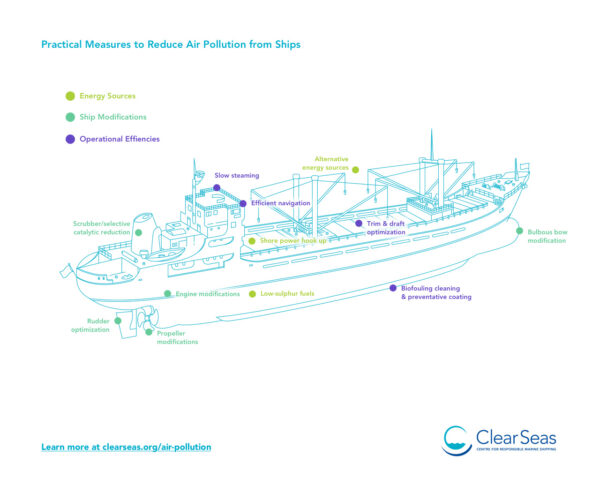
Practical Measures to Reduce Air Pollution from Ships
To reduce air pollution from marine shipping, vessel owners and operators are implementing practical measures including alternative energy sources, modifications to ship components and operational efficiencies.
Infographic
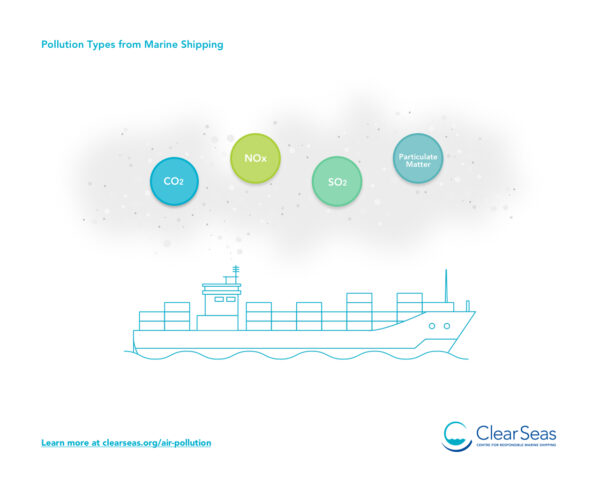
Pollution Types from Marine Shipping
Article
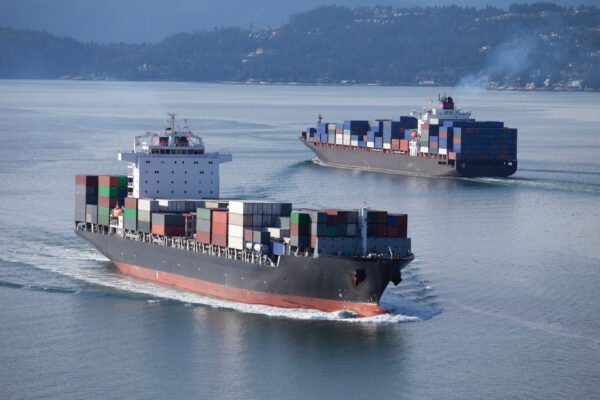
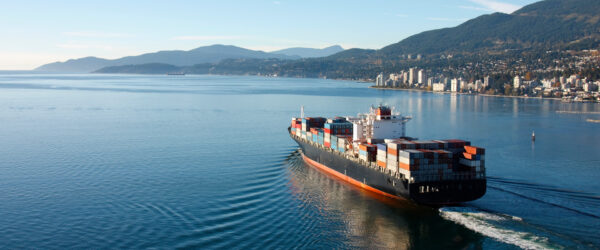
What is IMO 2020?
IMO 2020 limits the amount of sulphur permitted in commercial ship fuel to 0.5% for ships operating worldwide.
Article
Research Spotlight: Dr. Tony R. Walker
“We rely on transporting goods by ship, but we don’t need to maintain the status quo. We can’t maintain the status quo; there is a better way.” – Tony R. Walker
Resource Toolkit
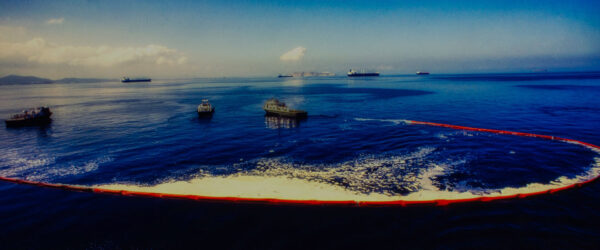
Toolkit: Transporting Oil by Ships
Explore our resources related to the transport of oil by sea, to inform and encourage conversations about safe and sustainable marine shipping in Canada.

Newsletter
Get the facts straight to your inbox.
Sign up to receive the Clear Seas quarterly newsletter.