Article
Places of Refuge
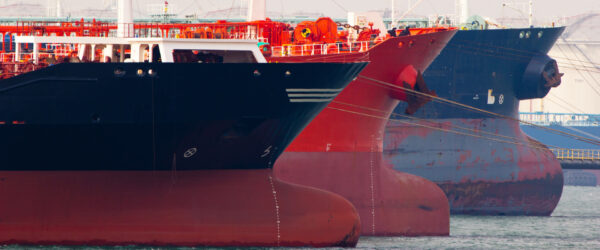
When a vessel is damaged, disabled or otherwise in distress at sea, finding a place of refuge – a place where it can be taken to prevent further damage to the vessel or pollution to the environment – can be critical.
Marine pilotage plays a vital role in marine safety and accident prevention.
The Oceans Protection Plan (OPP) is the largest investment ever made to protect Canada’s coasts and waterways.
For Arctic communities, marine shipping is often the only economical means of accessing essential goods, such as food, fuel and construction goods.
With increased marine traffic in Canada’s coastal waters comes an increase in underwater noise from vessels – and a need to understand the impacts on marine mammals who use sound to communicate, feed, navigate and reproduce.
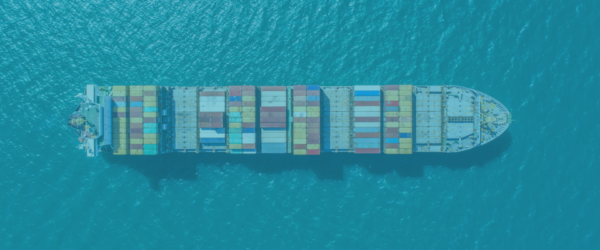
Today, 90% of world trade is carried by ship. Globally, there are over 50,000 merchant ships trading internationally and the total cargo capacity of the world merchant shipping fleet is 1.75 billion deadweight tonnes (DWT). The people responsible for maintaining, running and operating the fleet are seafarers.
In this spotlight, we dive into the groundbreaking research of Gavin Woodburn, whose work with the Kwiakah First Nation is redefining scientific research.
Vancouver Maritime Museum Reopens “táywilh | snəxʷəɬ” Exhibit, Highlighting Tsleil-Waututh Canoe Culture Research
The delicate balance between human activity and marine ecosystems is increasingly evident in the coastal waters of British Columbia.
More than half a century after the cargo ship MV Schiedyk sank on Canada’s west coast, 21st century technology and teamwork with First Nations helped to remove an oily hazard from the environment.