Article
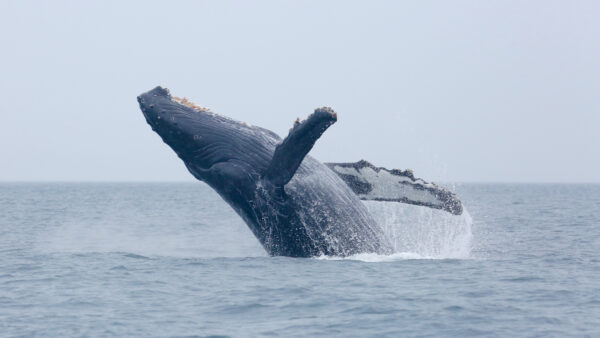
Traditional Waters, Modern Threats: The Gitga’at’s Fight for Humpbacks
The delicate balance between human activity and marine ecosystems is increasingly evident in the coastal waters of British Columbia.

The delicate balance between human activity and marine ecosystems is increasingly evident in the coastal waters of British Columbia.
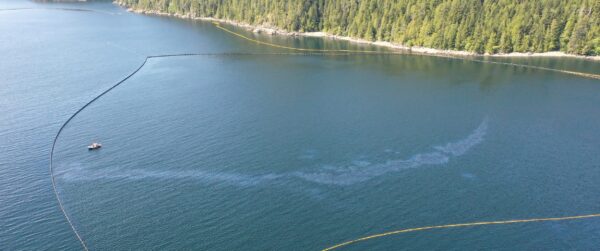
More than half a century after the cargo ship MV Schiedyk sank on Canada’s west coast, 21st century technology and teamwork with First Nations helped to remove an oily hazard from the environment.
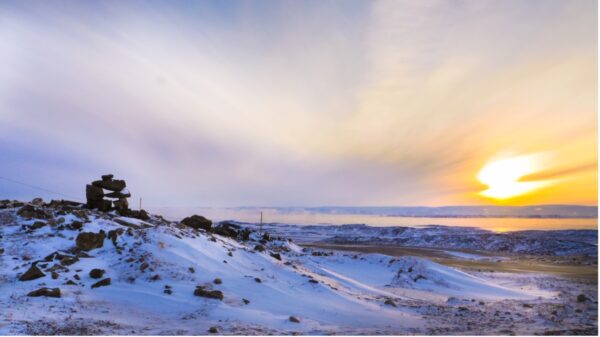
Clear Seas convenes a roundtable to gather perspectives on the use of LNG as fuel for marine shipping in Canada’s north.
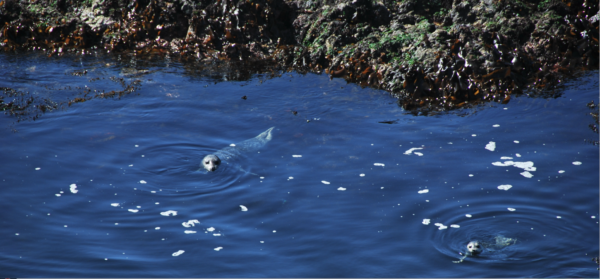
How sharing the marine environment and managing its use can help ensure a sustainable future for our oceans and waterways.
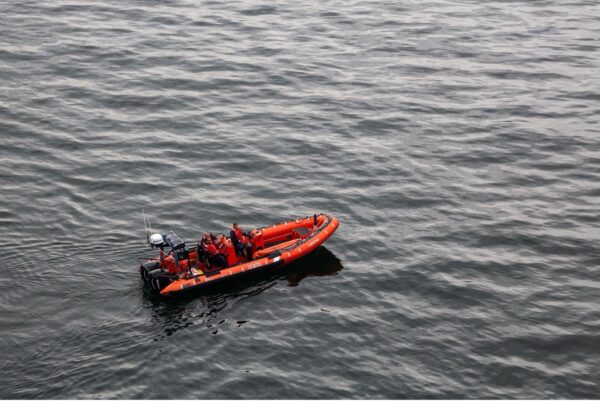
Understanding the mechanics of maritime search and rescue (SAR) and how maritime risks are governed in Canada.

What efforts are being undertaken by the marine shipping industry to help advance reconciliation?
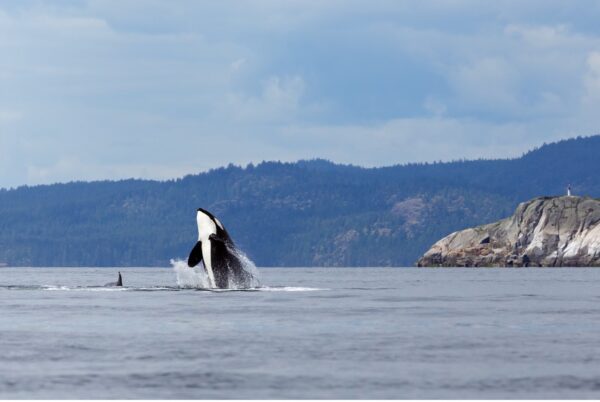
With more than 27,000 km of coastline that extends from Alaska to Washington State, Canada’s Pacific region is home to a rich and vibrant marine ecosystem. Thousands of sea creatures inhabit these waters, from microscopic species to large, fascinating mammals. Among them are the highly intelligent and iconic orcas, also known as killer whales.
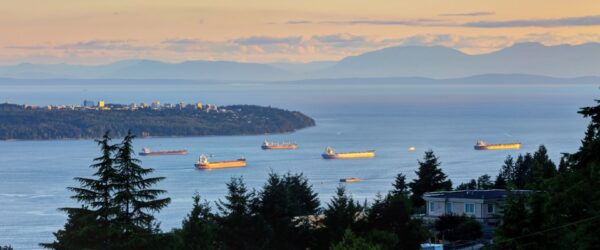
As Canada’s international trade and the global demand for its products continues to grow, the need for anchorages, which allow ships to wait outside a harbour to unload or pick-up their cargos, has increased. This has an impact on coastal areas, the environment and on the traditional activities of Indigenous communities.
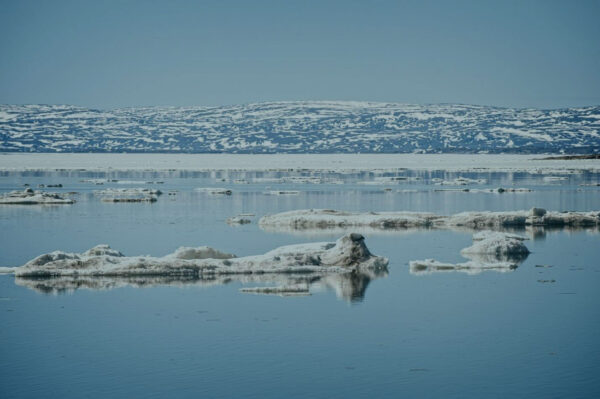
Climate change leads to more sea ice and higher risks for commercial marine shipping
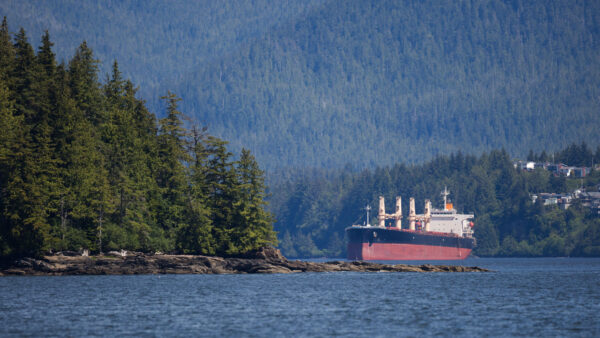
With an increased focus on Canada’s relationship with Indigenous peoples, what is the marine shipping industry doing to improve relations and to work together with Indigenous communities? This blog provides an overview of where the industry – from ports, ship builders and operators to educational and training bodies – is on the path towards reconciliation.

Newsletter
Sign up to receive the Clear Seas quarterly newsletter.