
Topic: Shipping Economic Impacts
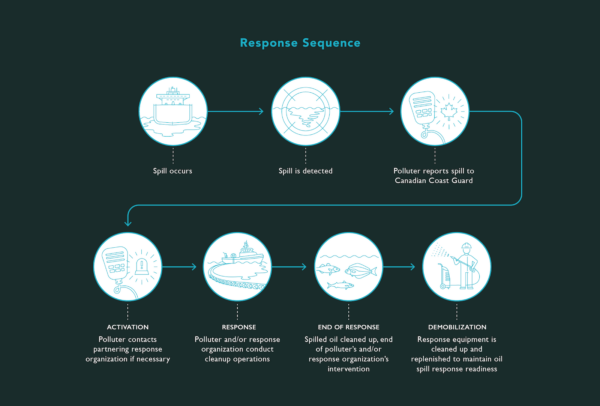
Infographic
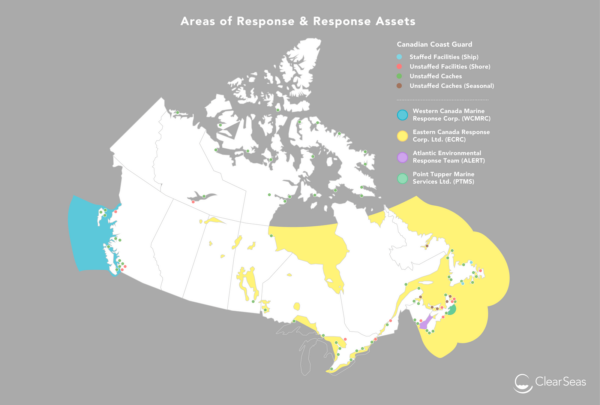
Areas of Response & Response Assets
Report
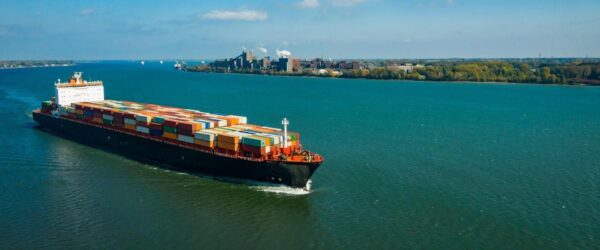
2020 Public Opinion Poll: Canadians’ Attitudes Towards Marine Shipping
Microsite
Oil Spill Response
If a spill occurs, who cleans it up and how? What are the resources available to minimize the environmental damage? How is the recovered oil safely disposed? Who pays for the cost of clean-up and damages as a result of an oil spill?
Research Project
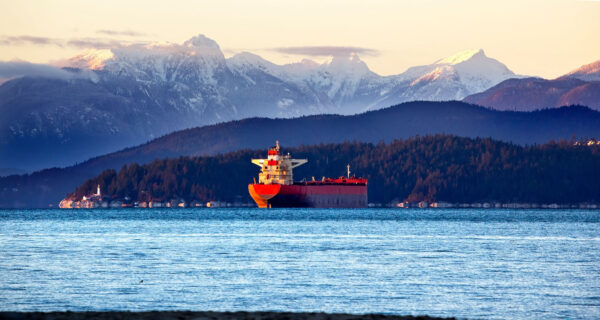
Assessing Sensitivity of Coastal Areas to Oil Spills
Clear Seas commissioned Dillon Consulting to identify and map sensitive coastal areas along most of Canada’s Pacific Coast.
Report
Assessing Sensitivity of Coastal Areas to Oil Spills
Workshop/Webinar
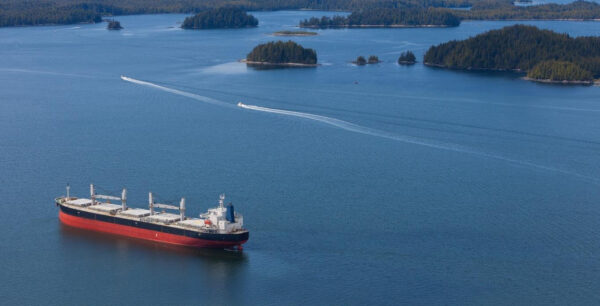
Assessing the Sensitivity of Coastal Areas to Oil Spills – Study Highlights & Demo
New mapping tool and associated report developed to support marine spatial planning in Canada’s Pacific Coast.
Article
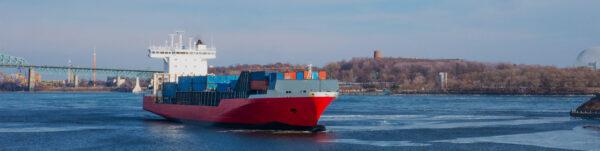
Navigating the St. Lawrence: Challenging Waters, Rich History and Bright Future
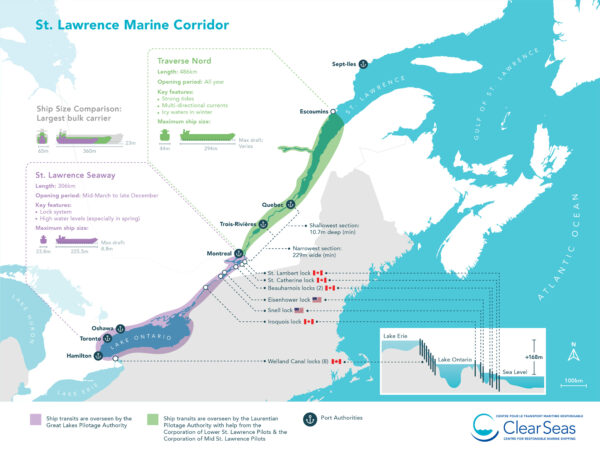
The St. Lawrence marine corridor plays a key role in Canada’s economy and supply chain. The geography as well as the unique physical attributes and water dynamics of the St. Lawrence challenge the commercial ships transiting through this maritime route in more than one way.
Infographic
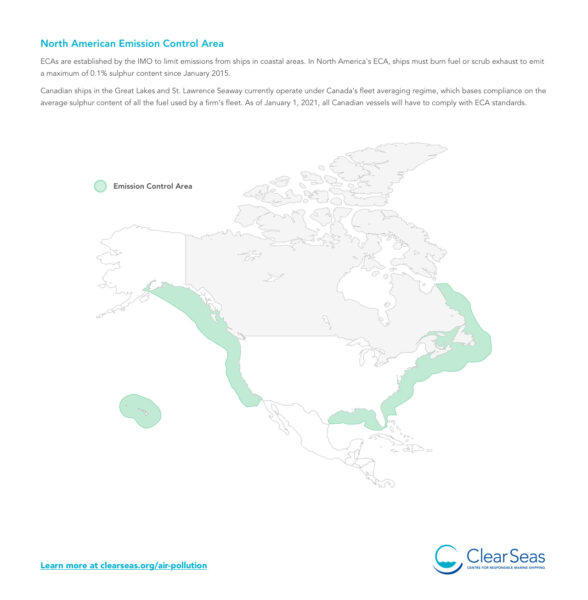
North American Emission Control Area
ECAs are established by the IMO to limit emissions from ships in coastal areas. In North America’s ECA, ships must burn fuel or scrub exhaust to emit a maximum of 0.1% sulphur content since January 2015.

Newsletter
Get the facts straight to your inbox.
Sign up to receive the Clear Seas quarterly newsletter.