Article
Icebreakers in Canadian Waters
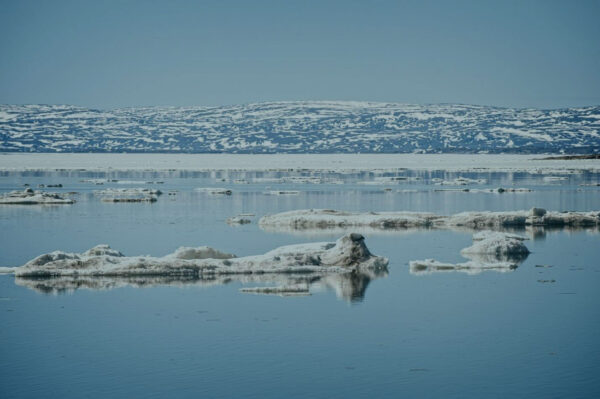
Climate change leads to more sea ice and higher risks for commercial marine shipping

Climate change leads to more sea ice and higher risks for commercial marine shipping
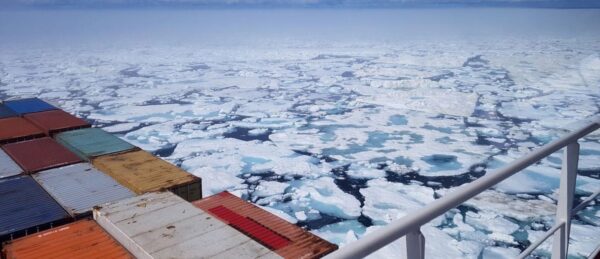
Assessment of marine shipping trends over the past 30 years in the Canadian Arctic, focusing on two sites in the Northwest Passage. The project offers recommendations on risk management strategies, impact mitigation, and including Inuit knowledge and perspectives in policymaking.
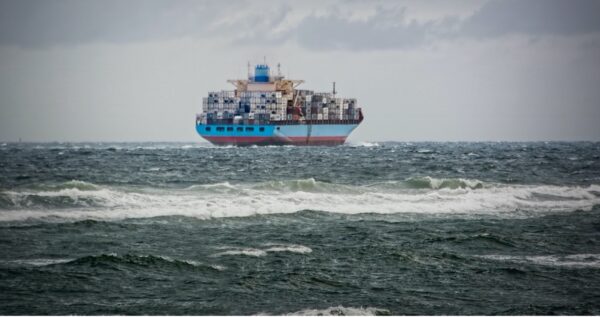
Why are shipping containers lost at sea and where do they end up?
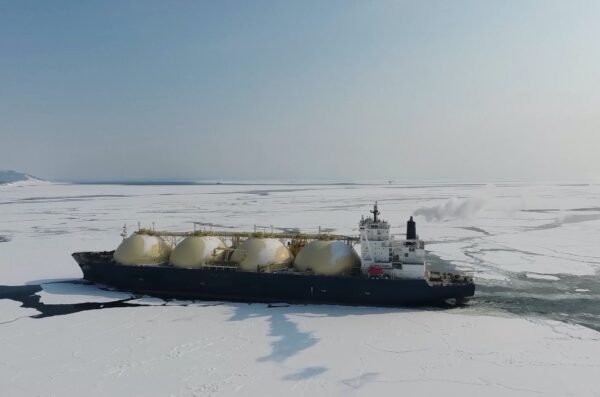
A study of the feasibility, risks, and benefits of the use of natural gas as a marine fuel in the Canadian Arctic.
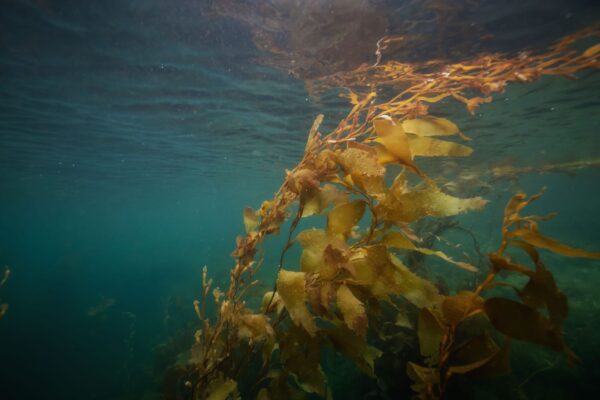
Five years after the Nathan E. Stewart sank, spilling the equivalent of a railcar’s worth of diesel fuel into the ocean,1 we want to know: could a similar incident happen today and how prepared are we if it does?
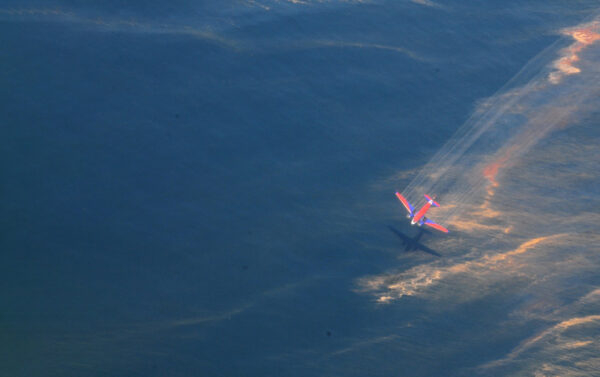
“We must remember the premise of using chemical oil dispersants: Diluting the oil from a surface slick into the water column at sea to reduce its concentration to below toxic levels, enhance its degradation rate, and reduce its probability of reaching shore.” – Kenneth Lee

“Marine oil spill response is always evolving because everyone is trying to improve things.”
– Dr. Heather Dettman
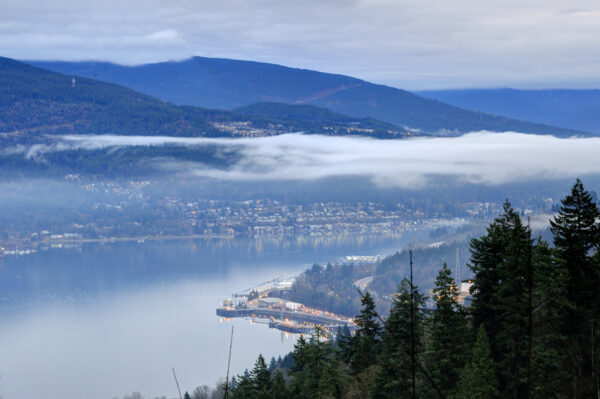
Meaningful participation in Canada’s marine sector for Indigenous people – what will it take?
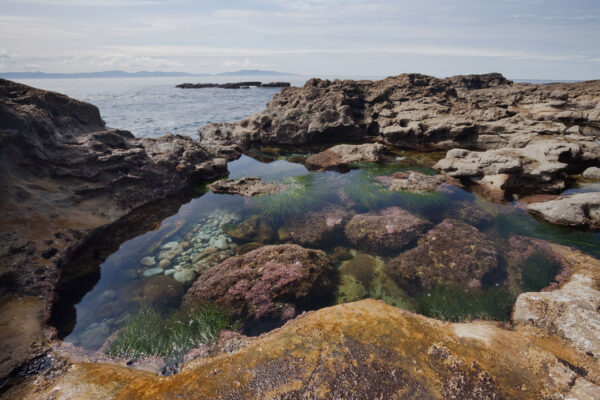
The Blue Economy offers many career paths. From marine biologists studying ecosystems to data scientists analyzing large datasets and engineers creating innovative solutions for renewable energy, the opportunities are endless. It is crucial to balance this growth with the conservation efforts of Indigenous people whose communities are intertwined with the ocean to address and mitigate climate change.
The Conference of the Parties to the Convention on Biological Diversity (COP 15), to be held in Montreal (December 7-19, 2022) is highly relevant to marine shipping and the work underway to reduce the impact of ship traffic on ocean and coastal ecosystems.

Newsletter
Sign up to receive the Clear Seas quarterly newsletter.