
Topic: Shipping Environmental Impacts

Article
Research Spotlight:Dr. Kenneth Lee, Expert in Oil Spill Response Technologies
“We must remember the premise of using chemical oil dispersants: Diluting the oil from a surface slick into the water column at sea to reduce its concentration to below toxic levels, enhance its degradation rate, and reduce its probability of reaching shore.” – Kenneth Lee

Article
Clear Seas At Five Years: Research For A Sustainable Future
On its fifth anniversary, Clear Seas looks back at its accomplishments and reflects on the key role it will continue to play to support safe and sustainable marine shipping in Canada.
Article
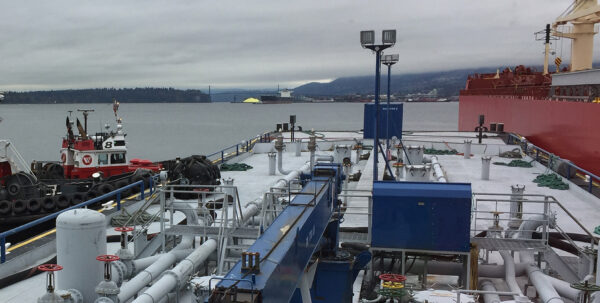
Marine Fuels: What is Heavy Fuel Oil?
Efforts to reduce emissions from ships – including stricter regulations about marine fuels’ allowable level of sulphur – are curbing the use of heavy fuel oil (HFO) in the marine shipping industry.

Article
Back to the Future: Wind Power and the Decarbonization of Shipping
Marine shipping is undergoing a major transformation as it seeks to decarbonize. How will wind power be part of the solution?
Infographic
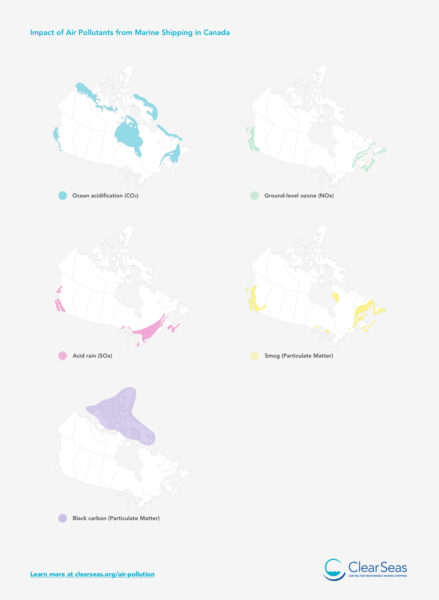
Impact of Air Pollutants from Marine Shipping
Canadians feel the economic impacts from all sources of air pollution, including lost productivity; increased healthcare costs; decreased quality of life; stunted crops, plants, and trees; and discoloured and damaged outdoor structures and materials – all of which costs Canadians and the Canadian economy billions of dollars per year.

Article
Environmental Certifications: Towards a More Responsible Marine Shipping Industry
Overview of the environmental standards and certification programs aimed at encouraging ship owners and operators, industry providers and port authorities to adopt sustainable practices and reduce their environmental footprint.
Article
Research Spotlight: Dr. Tony R. Walker
“We rely on transporting goods by ship, but we don’t need to maintain the status quo. We can’t maintain the status quo; there is a better way.” – Tony R. Walker
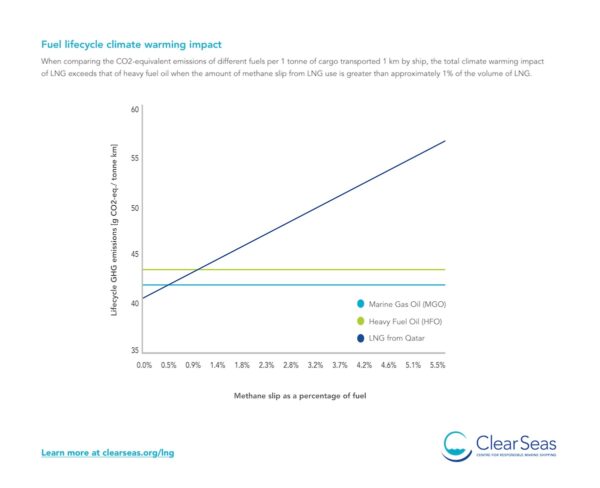
Infographic
LNG & Marine Shipping – 1
Fuel lifecycle climate warming impact. When comparing the CO2-equivalent emissions of different fuels per 1 tonne of cargo transported 1 km by ship, the climate warming of LNG exceeds that of heavy fuel oil when the amount of methane slip from LNG use is greater than approximately 1% of the volume of LNG.
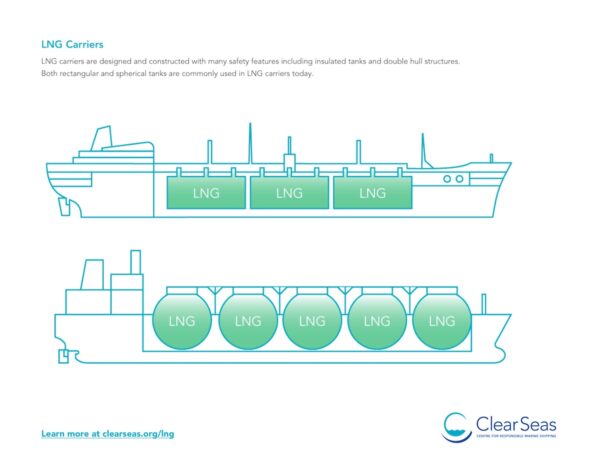
Infographic
LNG & Marine Shipping – 2
LNG & Marine Shipping: LNG ships are made with many safety features. These include insulated tanks and double hulls. The LNG tanks can be rectangular or round, spherical in modern LNG carriers.

Newsletter
Get the facts straight to your inbox.
Sign up to receive the Clear Seas quarterly newsletter.