
Topic: Shipping Safety & Risks

Workshop/Webinar
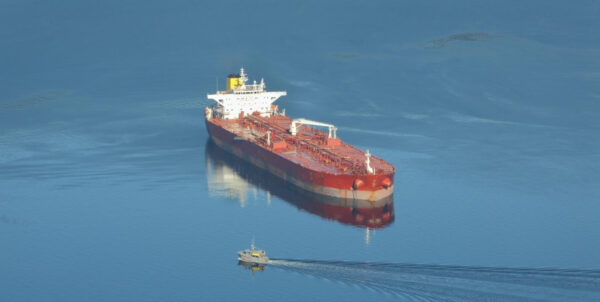
Creating an Inventory of Marine Shipping Risk Resources
December 3, 2020 (Virtual) – The Canadian Marine Shipping Risk Forum hosted the workshop Creating an Inventory of Marine Shipping Risk Resources, aimed at developing an inventory of initiatives and information resources associated with marine shipping risk.
Article
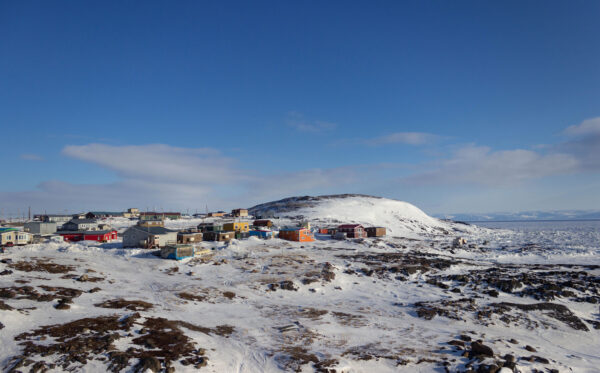
Breaking The Ice: Delivering the Goods to the Arctic in a Pandemic
Commercial ships resupplying the remote communities of Canada’s Eastern Arctic face multiple logistical challenges along the way. This year, COVID-19 and the threat it posed to both the ships’ crews and northern communities was another challenge they had to deal with.
Infographic
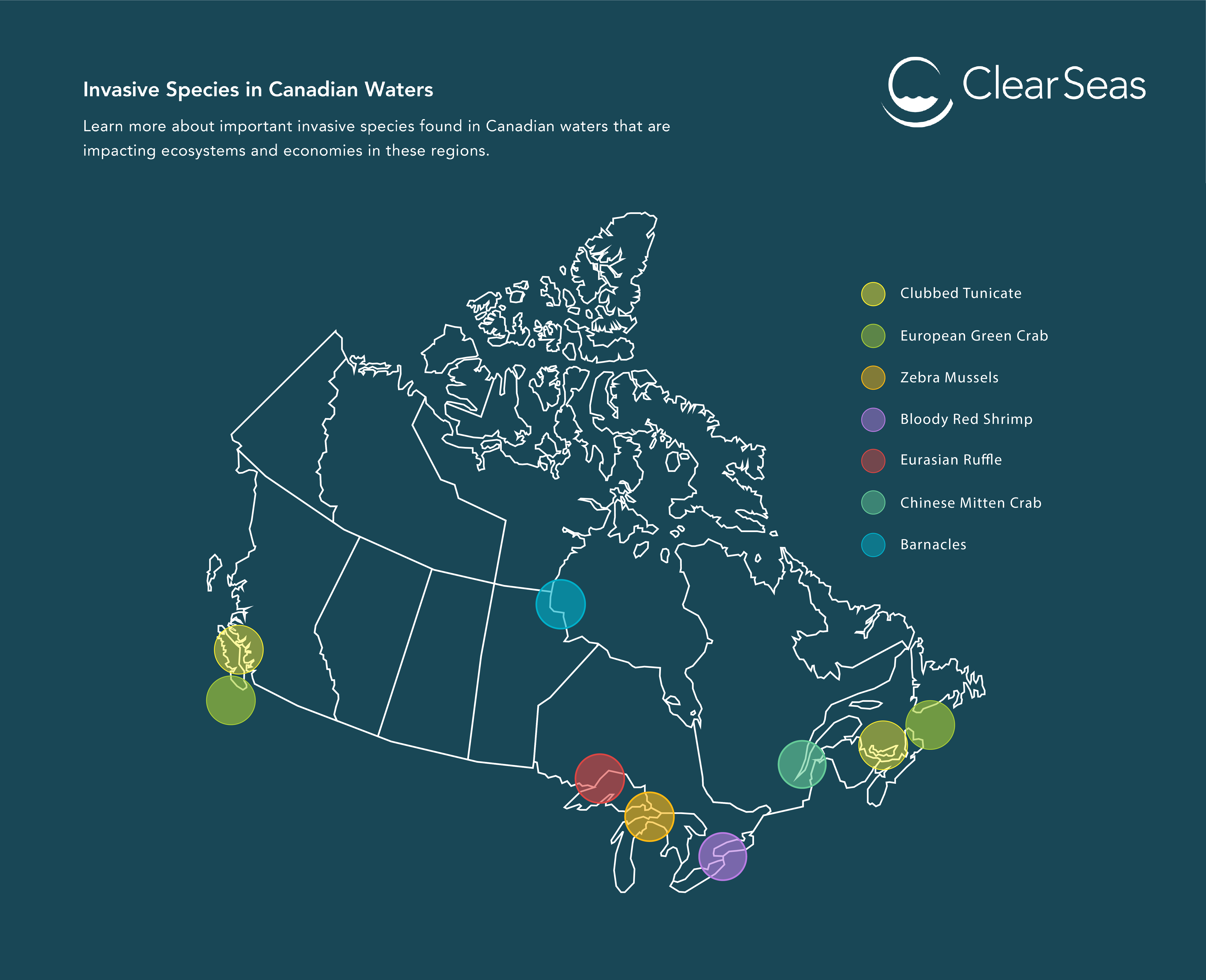
Invasive Species in Canadian Waters
Learn more about important invasive species found in Canadian waters that are impacting ecosystems and economies in these regions.
Infographic
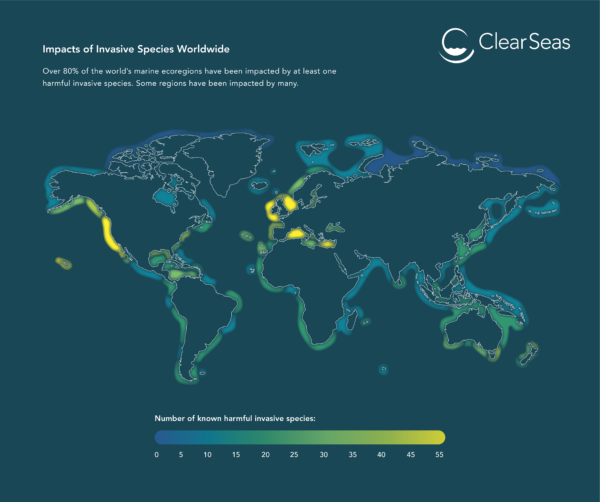
Impact of Invasive Species Worldwide
Over 80% of the world’s marine ecoregions have been impacted by at least one harmful invasive species. Some regions have been impacted by many
Article
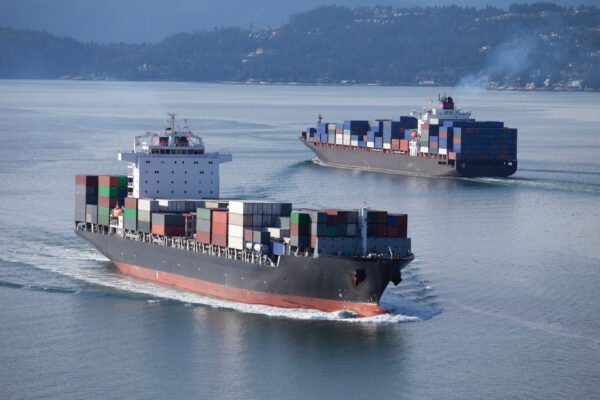
What is IMO 2020?
IMO 2020 limits the amount of sulphur permitted in commercial ship fuel to 0.5% for ships operating worldwide.
Workshop/Webinar
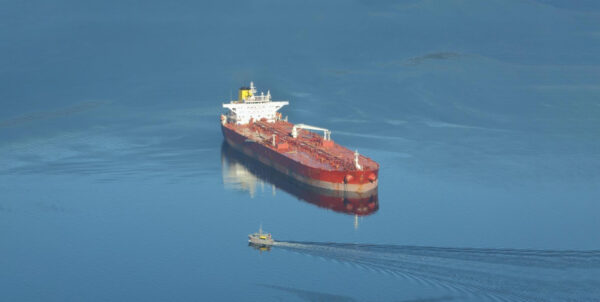
State of the Art in Shipping Risk and Modelling
December 2, 2019 (Halifax, NS) – MEOPAR, Clear Seas and exactEarth hosted the workshop State of the Art in Shipping Risk and Modelling as part of the Canadian Marine Shipping Risk Forum.
Research Project
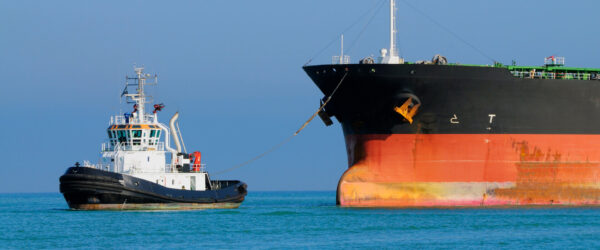
Availability of Tugs of Opportunity in Canada’s Pacific Region
Clear Seas commissioned Nuka Research to examine the availability and capability of commercial tugs – known as tugs of opportunity – to respond to a request for an emergency tow from a disabled ship in Canada’s Pacific region.
Resource Toolkit
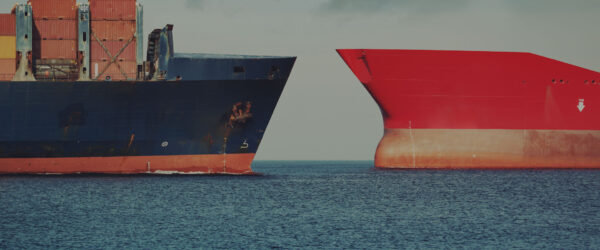
Toolkit: Marine Shipping in Canada
Explore our resources related to marine shipping in Canada to inform and encourage conversations about the value Canadians gain from safe and sustainable marine shipping.
Resource Toolkit
Toolkit: Transporting Oil by Ships
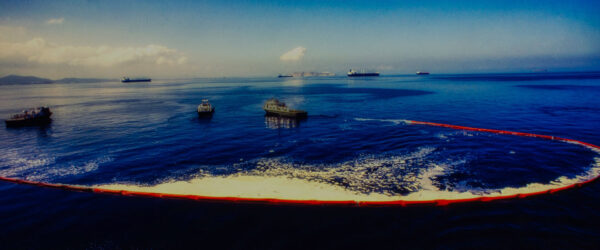
Explore our resources related to the transport of oil by sea, to inform and encourage conversations about safe and sustainable marine shipping in Canada.

Newsletter
Get the facts straight to your inbox.
Sign up to receive the Clear Seas quarterly newsletter.