
Tag: pollution
Article
Research Spotlight: Dr. Simone Philpot
“Maritime shipping is exactly the kind of situation decision analysis was developed for—it’s complex, uncertain, high-stakes, and deeply interconnected.” -Dr. Simone Philpot
Microsite
Ship Waste
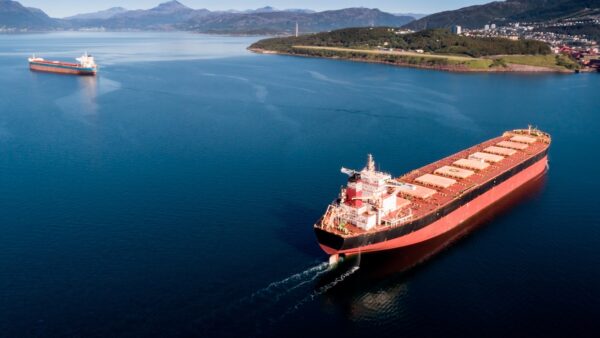
Merchant vessels produce different types of waste as part of their operations. Discover the rules governing the management and disposal of these wastes in Canadian and international waters.
Infographic
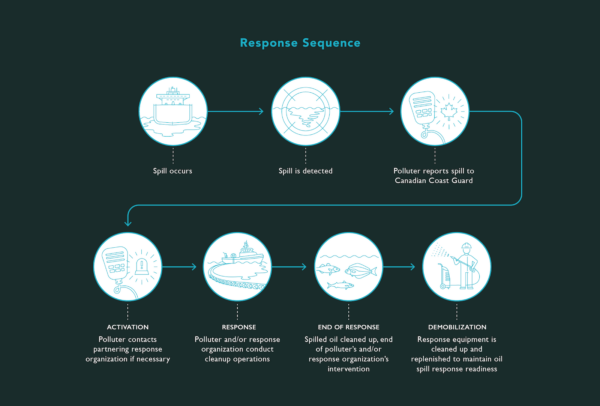
Response Sequence
Infographic
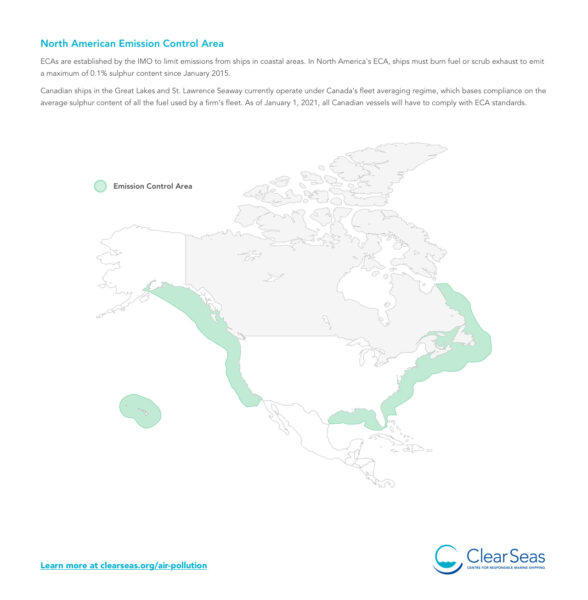
North American Emission Control Area
ECAs are established by the IMO to limit emissions from ships in coastal areas. In North America’s ECA, ships must burn fuel or scrub exhaust to emit a maximum of 0.1% sulphur content since January 2015.
Infographic
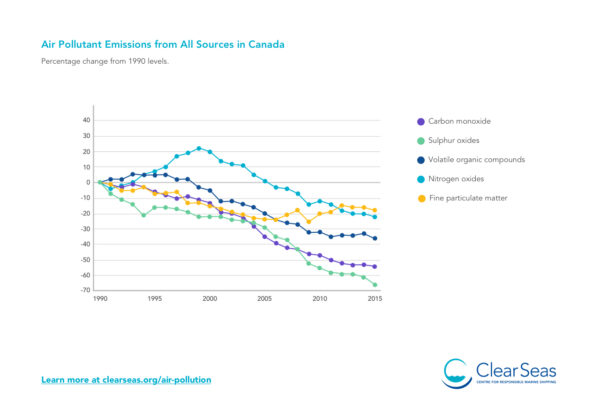
Air Pollutant Emissions from All Sources in Canada
Regulations have positively impacted air quality in Canada with the majority of air pollutants decreasing significantly since 1990.
Infographic
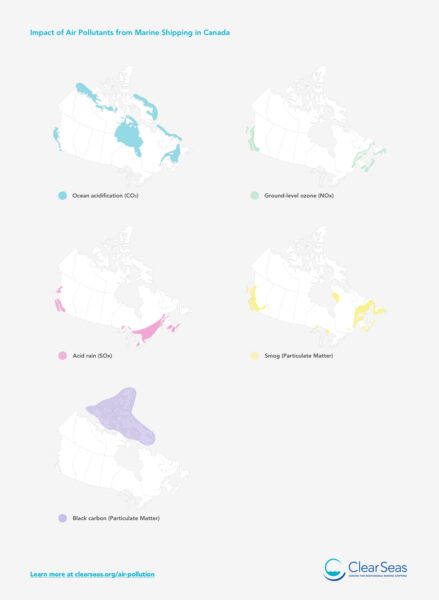
Impact of Air Pollutants from Marine Shipping
Canadians feel the economic impacts from all sources of air pollution, including lost productivity; increased healthcare costs; decreased quality of life; stunted crops, plants, and trees; and discoloured and damaged outdoor structures and materials – all of which costs Canadians and the Canadian economy billions of dollars per year.
Infographic
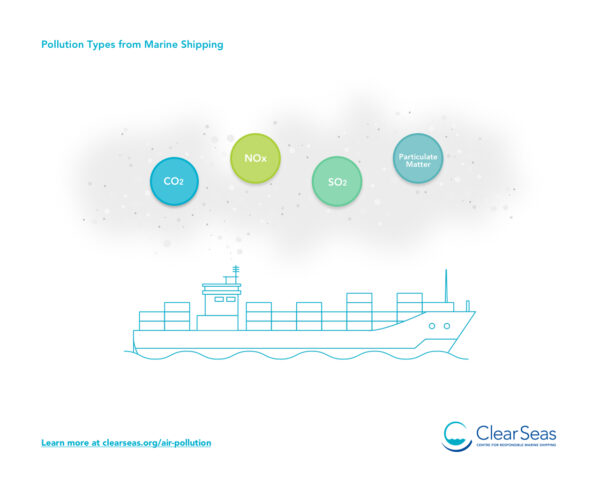
Pollution Types from Marine Shipping
Infographic
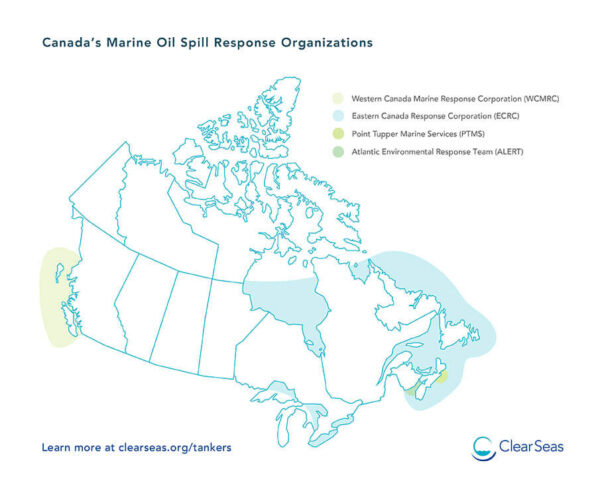
Oil Spill Response Organizations
Canada has four marine oil spill response organizations for its oceans and waterways including the Western Canadian Marine Response Organization, the Eastern Canadian Marine Response Organization, Point Tupper Marine Services and the Atlantic Environmental Response Team.

Newsletter
Get the facts straight to your inbox.
Sign up to receive the Clear Seas quarterly newsletter.