As marine traffic continues to grow along Canada’s West Coast, understanding how communities access and experience marine emergency response services is becoming increasingly important. Through a research internship with Clear Seas, Isabelle Pebernat examined the effectiveness of marine emergency reporting systems and government response resources available to Coastal First Nations communities.
|
Getting your Trinity Audio player ready...
|
The project involved outreach to federal and provincial organizations responsible for marine safety, environmental response, fisheries enforcement and emergency management. Isabelle interviewed representatives from organizations including the Canadian Coast Guard, Fisheries and Oceans Canada, Transport Canada and the BC Emergency Program to better understand reporting processes and procedures.
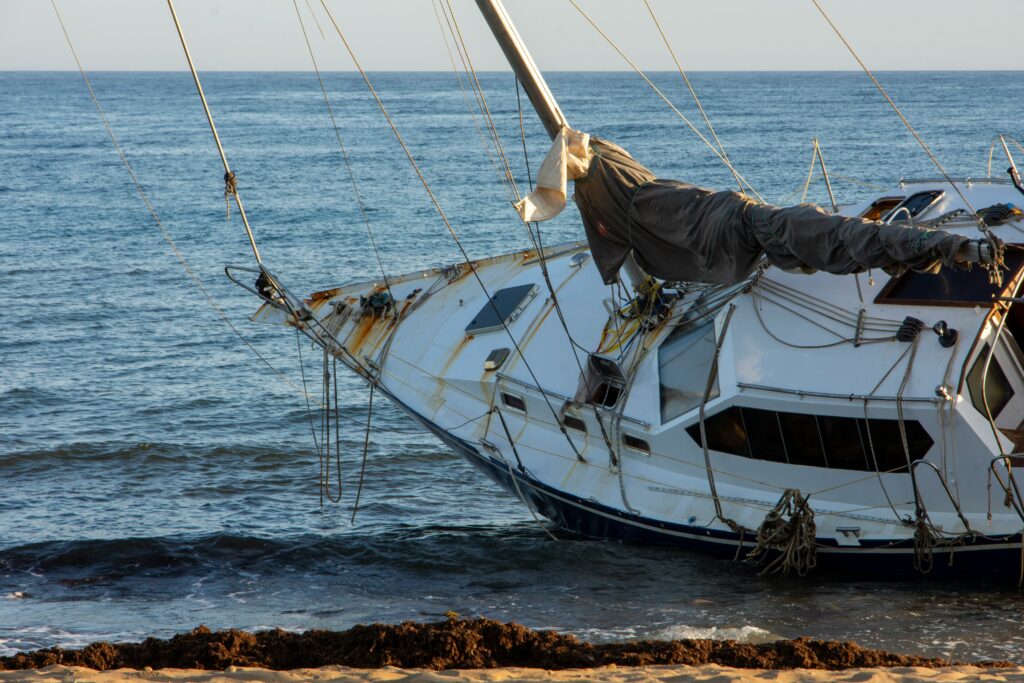
A key component of the research focused on conversations with Coastal First Nations communities. These interviews provided valuable insights into local experiences with issues such as abandoned vessels, illegal fishing, marine pollution and increasing vessel traffic. While participants acknowledged the importance of existing reporting systems, many identified challenges related to lengthy response times, difficulty navigating multiple reporting channels and limited authority for communities to address issues directly within their territories. Isabelle’s findings suggest that clearer reporting pathways, improved communication between agencies and communities and greater support for Indigenous-led marine stewardship could strengthen response outcomes.
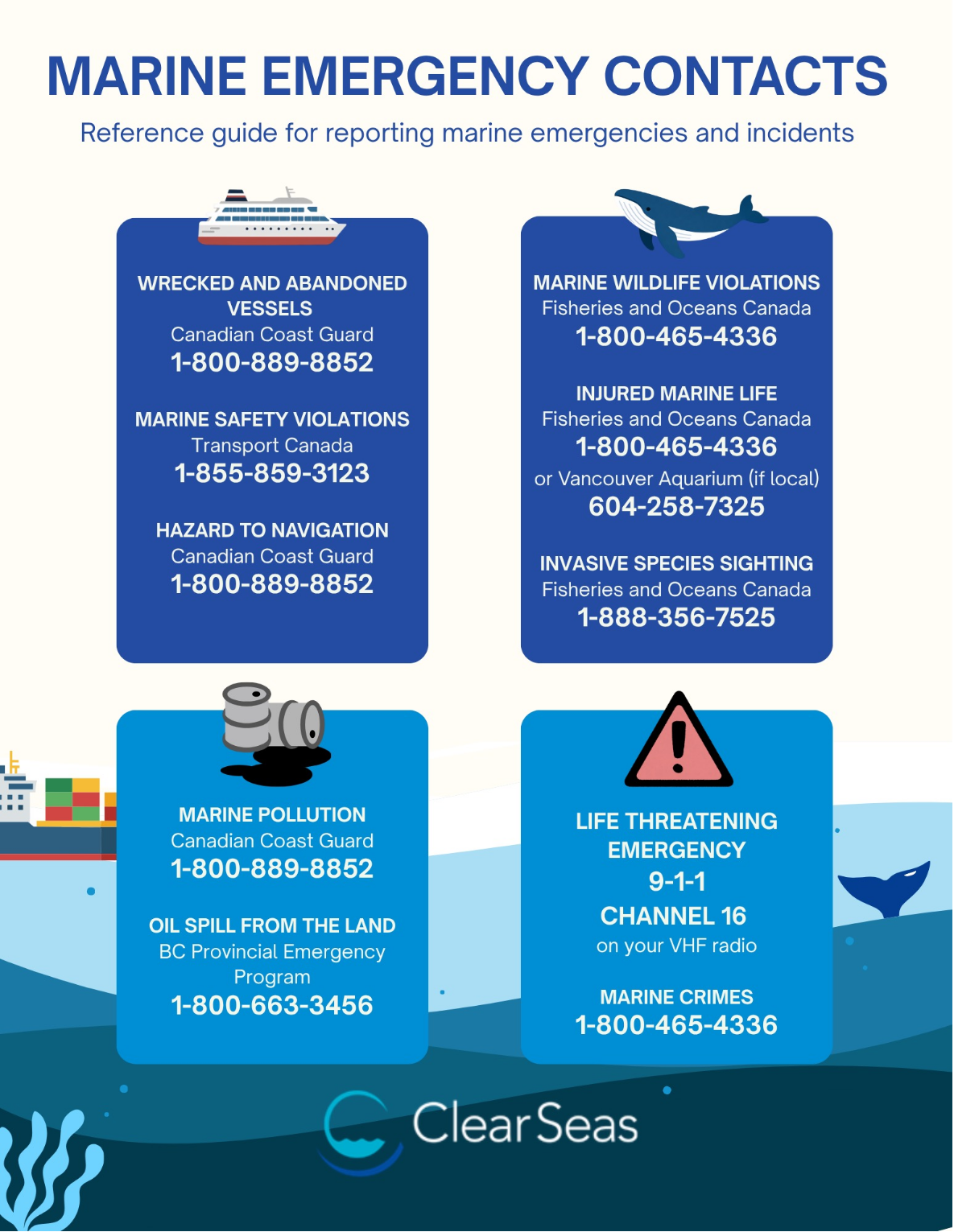
One of the deliverables from Isabelle’s research is a Marine Emergency Contact list which will hopefully be useful for quick reference to mariners on the water. This contact list separates phone numbers and contact information based on the type of emergency and acts as a printable list to refer to when needed.
The project contributes to ongoing conversations about marine safety, environmental protection and reconciliation on Canada’s coasts. By bringing together perspectives from both government and Indigenous communities, the project offers practical recommendations for improving marine emergency reporting systems and supporting more effective partnerships in the protection of coastal waters in Canada.